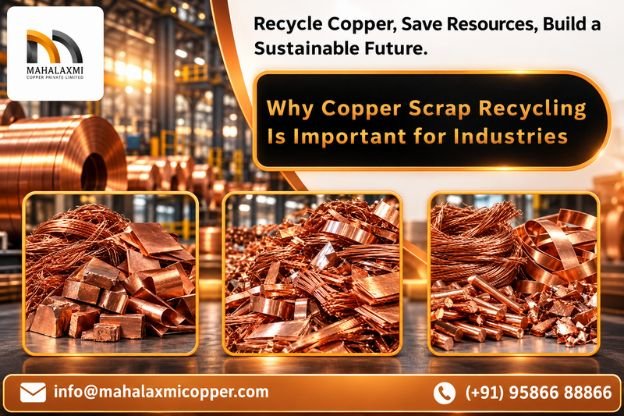
Because copper can be recycled repeatedly without losing its properties copper scrap remains valuable even after its first use. However the purity of the copper depends on the copper scrap source and the treatment copper scrap receives.
Benefits of Copper Scrap Recycling for Industries
Copper is an input in electrical and engineering products so wasted copper scrap directly affects production economics. By segregating and selling copper scrap manufacturers can recover part of their copper scrap expenditure. Suitable recycled copper feedstock may also cost less depending on copper scrap grade, recovery yield and market prices.
For example a busbar fabrication unit can collect punching waste separately instead of mixing it with general workshop copper scrap. Consequently the copper scrap is easier to assess. May command better recovery value.
Producing copper from mined ore involves extraction and several energy-intensive processing stages. Copper scrap recycling avoids much of that work.
According to the International Copper Association recycled copper requires around 85% energy than primary copper production. As a result copper scrap recycling can also reduce the emissions associated with copper supply.
Furthermore copper scrap recycling keeps copper in circulation. It cannot eliminate mining. It reduces pressure on new resources.
Industrial copper scrap recycling gives factories a way to manage production leftovers. Of accumulating waste copper scrap companies can schedule regular copper scrap collection.
Moreover separating copper scrap at the source improves records. Helps managers identify avoidable process losses.
Sustainability teams increasingly need information about copper scrap use and waste handling. Documented copper scrap recycling gives businesses records of scrap destinations and recovery quantities.
Similarly procurement managers can evaluate copper content where it meets the required technical specifications. This supports resource‑efficiency goals without assuming every copper scrap grade suits every application.
The copper scrap recycling process generally follows four stages although the exact route depends on contamination and the final product.
Recyclers separate bare copper, insulated wire, copper alloys and mixed metal scrap. Clean unalloyed offcuts should stay apart from brass, soldered pieces and oxidised material.
Next suitable copper scrap may be stripped, cut, shredded or mechanically separated to remove insulation and non‑metallic attachments.
Processors melt copper scrap and remove impurities as required. Clean production scrap may need straightforward remelting while lower‑grade or contaminated copper scrap can require additional refining, including electrolytic treatment.
Finally recovered copper may be cast into ingots or other intermediate forms for manufacturing.
Buyers should check purity, composition and specifications not the “recycled copper” label.
Recycled copper for manufacturing can support a range of applications when it meets the necessary grade.
Electrical businesses use refined copper in products such as cables, connectors and conductors. Similarly engineering manufacturers can use copper and copper alloys for components, fittings and heat‑transfer equipment.
However high‑conductivity wire and other demanding electrical applications require tight controls on composition and surface quality. Therefore the copper scrap grade must always match the end use.
One common mistake is mixing copper scrap with brass, aluminium, steel or solder‑coated parts. Outdoor storage can also introduce dirt, oil and moisture.
A cheaper mixed lot may produce usable copper scrap after sorting and refining. Instead compare copper scrap purity, expected copper scrap recovery yield, transport cost and documentation before making a decision.
Start by identifying the copper scrap types generated in your plant and keeping them in labelled containers.
Then keep records of copper scrap weight, source and dispatch dates. This improves copper scrap traceability. Makes copper scrap losses easier to investigate.
When purchasing copper scrap ask suppliers about copper scrap grade, contamination, available testing and delivery quantities.
For copper scrap orders agree on inspection criteria in advance. Above all prioritise copper scrap specifications over appearance.
The company is based in Ahmedabad. Manufactures copper ingots for industrial requirements.
If you are planning a copper scrap order share the material type, required quantity, intended application and delivery location.
You can explore Mahalaxmi Coppers copper scrap range. Contact the team to discuss your copper scrap specifications.