


Why Choose Continuous Cast Copper Rods for Industrial Use
Why Choose Cast Copper Rods for Industrial Use
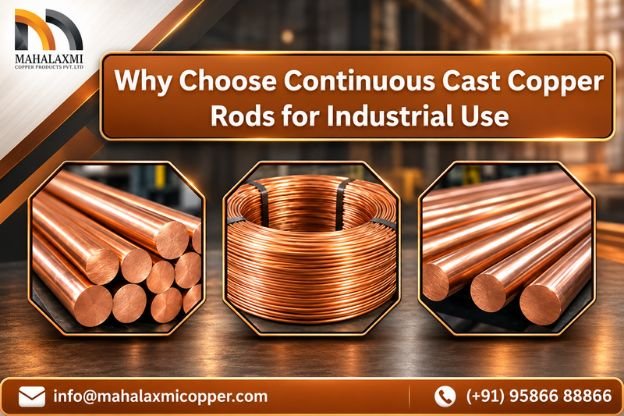
In today’s factories the quality of material decides how fast production runs, how well the final product works and how much money is needed for operation. Continuous Cast Copper Rods are a raw material for companies that make electrical wires, power cables, conductors and many other copper products.
Continuous Cast Copper Rods have electrical conductivity are easy to work with and fit well with further processing making them a practical choice for many industrial tasks. However choosing the copper rod needs a clear idea of its manufacturing process, technical features and intended use.
For manufacturers and industrial buyers picking the right copper rod can keep production steady and lower avoidable processing problems. Let us examine the benefits of Continuous Cast Copper Rods and the factors that businesses must think about before buying them.
What Are Continuous Cast Copper Rods?
Continuous Cast Copper Rods are copper products made by a casting process often followed by rolling to reach the required size and material properties. Manufacturers produce these rods for use, especially wire drawing and electrical conductor manufacturing.
The production steps usually involve melting copper casting it into a shape rolling it into the needed rod size treating the surface and preparing the finished product for delivery. Aurubis explains its integrated copper rod manufacturing process, which includes casting, rolling, cleaning and packaging.
Key Benefits of Continuous Cast Copper Rods
1. Excellent Electrical Conductivity
Because copper is widely used in work Continuous Cast Copper Rods conduct electricity efficiently. Therefore Continuous Cast Copper Rods are a starting material for producing electrical wires, conductors and cables.
For example a wire and cable manufacturer may process Continuous Cast Copper Rods through successive drawing operations to achieve the needed wire diameter. The final electrical performance depends on factors such as copper grade, purity, processing conditions and the conductors specifications.
2. For Wire Drawing and Further Processing
Another important advantage is that Continuous Cast Copper Rods fit well with downstream manufacturing. Continuous Cast Copper Rods are commonly drawn into wires, which may then undergo further steps such as insulation or stranding according to the final product requirements.
Moreover the suitable material properties and consistent dimensions help manufacturers keep drawing operations steady. Consequently selecting Cast Copper Rods that match the drawing process can reduce unnecessary interruptions and waste of material.
3. Consistency in Industrial Production
Consistency in production matters when a company processes amounts of copper each day. Variations in dimensions, surface condition or material properties may alter machine settings and the quality of the product.
Therefore buyers should evaluate tolerances, surface condition, mechanical properties and applicable quality requirements before placing an order. Consistency depends on good process control and product inspection so buyers should verify specifications rather than assume that every Continuous Cast Copper Rod offers identical performance.
4. Versatility Across Multiple Applications
Continuous Cast Copper Rods serve industries because manufacturers can transform them into different wire and conductor products. Moreover the suitability of Continuous Cast Copper Rods for fabrication makes them useful for businesses with varied production needs.
Industrial Copper Rod Applications
Continuous Cast Copper Rods enable a range of manufacturing operations.
Wire and Cable Manufacturing
Wire and cable manufacturers use Continuous Cast Copper Rods as feedstock for making conductors building wires, power cables and other wire products. The rod must fit the drawing process. Meet the electrical and mechanical needs of the finished wire.
Transformer and Motor Manufacturing
Transformer and motor manufacturers need copper conductors for winding applications. Continuous Cast Copper Rods can serve as the material for producing suitable wire although extra drawing and processing are needed before the wire is ready for winding.
Automotive and Electric Vehicle Manufacturing
Modern vehicles contain electrical wiring and electronic systems. Similarly electric vehicles require conductors for electrical connections and power-related parts. Continuous Cast Copper Rods processed into wire can support these manufacturing needs.
Electrical Equipment Manufacturing
Electrical equipment manufacturers use copper conductors in products including electrical connections, distribution systems and industrial equipment. However the required copper grade and conductor dimensions depend on the design and operating conditions of the product.
Understanding the Copper Wire Rod Manufacturing Process
The Copper Wire Rod Manufacturing Process influences how suitable the material is, for fabrication. Although production methods vary a typical process includes key stages.
- Melting and material preparation: Manufacturers prepare and melt copper under controlled conditions to meet the intended product requirements.
- Continuous casting: Hot copper flows into the casting system and hardens into a continuous shape.
- Rolling: The cast copper moves through rolling machines to reach the desired rod size.
- Surface treatment and cooling: cleaning and cooling prepare the rod for later work and safe handling.
- Inspection and packaging: Makers examine each rod for key qualities before boxing and shipping.
These stages need process controls. Thus buyers should ask for data and inspection reports when their use needs exact electrical, size or strength features.
How to Choose the Right Continuous Cast Copper Rods
Choosing a product involves more than comparing prices. Think about these factors before buying.
- Required diameter: Make sure the rod diameter and size limits match your production machines.
- Copper grade and conductivity: Verify the needed copper grade, how well it conducts electricity and the material rules that apply.
- Mechanical properties: Look at how much the rod can stretch and other important traits when the rods will be drawn into wire or shaped further.
- Surface condition: Check the rod surface for cracks or dirt that might disrupt processing.
- Quality documentation: Ask for test reports and verify that the rod meets the required standard. For instance ASTM B49 is the rule for copper rod drawing stock used in work.
- Supply requirements: Talk about how rods you need how they are boxed, when they arrive and whether the supplier can keep up with your production.
Also share any needs before the order is final. Clear details help buyers and suppliers agree on what the rod must be.
Common Mistakes to Avoid When Buying Copper Rods
One common error is picking copper rods only because they are cheapest.. A low price does not always mean the best value if the rod causes work problems or does not meet the required specs.
Another mistake is ignoring the surface quality and size limits. These details can affect work especially when drawing the rod into wire.
Finally do not assume all copper rods are the same. Different jobs may need grades, conductivity, sizes or material traits. So always pair the chosen rod with the production step.
Why Choose Mahalaxmi Copper for Industrial Copper Rod Requirements?
Mahalaxmi Copper Products Ltd., located in Ahmedabad, Gujarat sells cast copper rods for electrical use, industrial jobs and further copper processing. The company partners with buyers who need product details that match their manufacturing needs.
When asking about copper rods buyers can give the diameter how many they want, what the rods will be used for and the technical specs. This lets the team see the need and talk about the product and supply.
Conclusion
Continuous Cast Copper Rods are a raw material for making electrical and industrial items. Their electricity flow, fit for wire drawing and flexibility make them handy for copper products.
Getting steady results needs the correct material rules, thorough quality checks and a dependable supply plan. By checking these things before buying manufacturers can choose wisely. Help smooth later production.
For companies looking for copper rods in Ahmedabad Mahalaxmi Copper provides a contact to talk about demands, product details and supply needs.
Frequently Asked Questions
1. What are Continuous Cast Copper Rods used for?
Continuous Cast Copper Rods mainly serve as material for making electrical wires, power cables, conductors and other copper items. The rods are then processed further to reach the needed size and traits. The exact use depends on the copper grade, material rules and the finished product needs.
2. What are the main benefits of cast copper rods?
Their main advantages are that they fit for making conductors for more processing and for drawing into wire. Also rods made with good process controls can keep size and surface.. Real performance relies on copper quality, production rules and matching the needed specs.
3. Which industries use cast copper rods?
Electrical wire and cable makers are big users of copper rods. Other important fields are transformer and motor making, car systems, electric vehicle parts and equipment that uses electricity. In these areas copper rods are usually turned into wires or conductors before becoming part of the finished item.
4. How do I select the copper rod, for industrial use?
Begin by identifying the intended application and the required rod diameter. Next verify the copper grade, electrical conductivity, mechanical properties, surface condition and applicable standards for the copper rods. You should also consider order quantity, delivery requirements and quality documentation for the copper rods.
5. Where can I source cast copper rods in Ahmedabad?
Mahalaxmi Copper Products Ltd. Supplies cast copper rods for electrical, industrial and further copper-processing applications, in Ahmedabad, Gujarat. Buyers can visit the company’s CCR Copper Rods page. Submit their required diameter, quantity, application and technical specifications to discuss their continuous cast copper rods requirements.
