


How to Choose High-Quality Copper Wire for Your Industry
A Guide to Selecting High-Quality Copper Wire for Industrial Applications
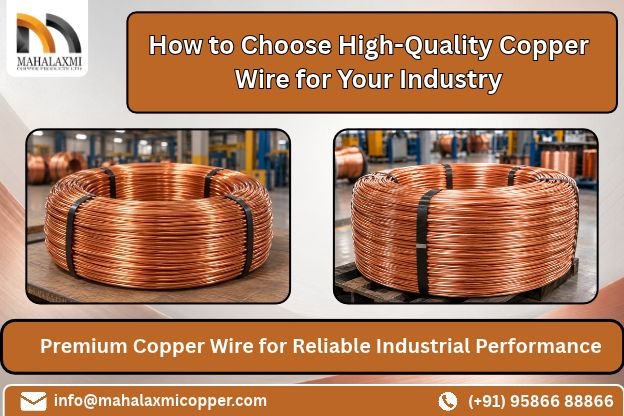
Choosing High-Quality Copper Wire is essential for industries that depend on reliable electrical performance, efficient manufacturing, and long-lasting equipment. Whether you manufacture electrical cables, transformers, motors, or industrial machinery, the quality of copper wire directly influences product performance, safety, and operating costs.
However, not all copper wires offer the same quality. Differences in copper purity, electrical conductivity, diameter, and mechanical strength can affect manufacturing results.
Therefore, understanding these important factors helps industrial buyers select the right copper wire for their specific applications.
Why High-Quality Copper Wire Matters in Industrial Applications
Copper wire is widely used across electrical and manufacturing industries because of its excellent conductivity, flexibility, and durability.
For example, cable manufacturers require consistent copper wire dimensions to produce reliable electrical conductors. Similarly, motor manufacturers need copper wire with suitable mechanical properties for efficient winding operations.
High-quality industrial copper wire offers several important benefits:
- Excellent electrical conductivity for efficient power transmission.
- Consistent dimensions for smooth manufacturing operations.
- Suitable flexibility and mechanical strength.
- Reduced material rejection and production interruptions.
- Reliable performance in demanding industrial applications.
As a result, selecting the right copper wire helps manufacturers maintain consistent production quality and improve operational efficiency.
1. Check Copper Purity and Material Quality
Copper purity is one of the most important factors when evaluating industrial copper wire.
High-purity copper is commonly preferred for electrical applications because impurities can negatively affect electrical conductivity and material performance.
For many electrical applications, copper grades containing approximately 99.9% or more copper are commonly used. However, the required purity depends on the relevant material specification and intended application.
What Should Industrial Buyers Verify?
Before purchasing copper wire, consider the following factors:
- Copper grade and chemical composition.
- Material purity requirements.
- Relevant material testing reports.
- Suitability for the intended industrial application.
Furthermore, buyers should verify whether the copper material meets their required specifications rather than relying only on general purity claims.
2. Evaluate Copper Wire Conductivity
Copper Wire Conductivity plays a critical role in electrical and industrial applications.
Conductivity determines how efficiently copper wire carries electrical current. Higher conductivity generally results in lower electrical resistance, helping reduce energy losses during electricity transmission.
Copper conductivity is commonly expressed using the International Annealed Copper Standard (IACS).
However, actual conductivity depends on the copper grade, processing conditions, and applicable material standards.
3. Understand Important Copper Wire Specifications
Understanding Copper Wire Specifications helps manufacturers choose suitable materials for their production requirements.
Even small dimensional variations can affect wire drawing, winding, insulation, and cable manufacturing processes.
Key Copper Wire Specifications to Consider
Wire Diameter: Select the appropriate wire diameter according to your manufacturing requirements.
Dimensional Tolerance: Ensure the wire maintains acceptable dimensional consistency throughout production.
Copper Grade: Choose a material grade suitable for the intended electrical or industrial application.
Mechanical Properties: Check tensile strength, elongation, and flexibility requirements.
Surface Quality: Inspect the wire for cracks, excessive oxidation, and visible surface defects.
Packaging Requirements: Confirm coil weight, packaging quality, and handling requirements.
For example, manufacturers using automated wire-processing equipment often require consistent wire dimensions to maintain smooth production.
4. Consider Mechanical Strength and Flexibility
Electrical conductivity is important, but mechanical properties also influence copper wire performance.
During manufacturing, copper wire may undergo bending, stretching, winding, or further drawing operations.
Soft-Annealed vs. Hard-Drawn Copper Wire
Soft-Annealed Copper Wire
Soft-annealed copper wire offers greater flexibility and is suitable for applications requiring bending, winding, or additional forming operations.
Hard-Drawn Copper Wire
Hard-drawn copper wire provides higher tensile strength but generally offers lower flexibility and elongation.
For example, electrical winding applications may require softer copper wire, while certain mechanically demanding applications benefit from stronger wire.
5. Verify Copper Wire Quality Standards
Following applicable Copper Wire Quality Standards helps maintain material consistency and product reliability.
Several national and international standards address copper wire and electrical conductor requirements.
Important examples include:
- ASTM B3: Covers soft or annealed round bare copper wire for electrical purposes.
- ASTM B1: Covers hard-drawn round copper wire.
- IEC 60228: Specifies requirements for conductors used in certain insulated cables.
- IS 12444: Indian Standard for copper wire rods used for electrical purposes.
However, different standards apply to different copper products, manufacturing conditions, and electrical applications.
6. Understand the Copper Wire Manufacturing Process
The manufacturing process directly influences copper wire consistency, dimensions, and mechanical performance.
Copper wire production commonly involves processing copper rods through wire-drawing equipment to achieve the required diameter.
Depending on the application, manufacturers may also use annealing to improve flexibility and obtain suitable mechanical properties.
Important Manufacturing Quality Factors
During copper wire manufacturing, several factors require attention:
- Consistent wire diameter.
- Controlled drawing conditions.
- Suitable annealing processes.
- Clean and uniform surface finish.
- Appropriate mechanical and electrical properties.
Furthermore, proper process control supports consistent material quality and reduces problems during subsequent manufacturing operations.
7. Inspect Copper Wire Before Bulk Purchasing
Industrial buyers should evaluate material quality before finalizing large copper wire orders.
A practical quality inspection helps determine whether the supplied material meets production requirements.
Essential Copper Wire Quality Checks
Visual Inspection: Check for surface cracks, excessive oxidation, and visible damage.
Dimensional Testing: Measure wire diameter and verify the specified tolerance.
Conductivity Testing: Evaluate electrical resistance or conductivity where required.
Mechanical Testing: Check tensile strength and elongation according to the application.
Material Documentation: Review relevant test reports and batch identification details.
In addition, requesting a representative sample can help manufacturers evaluate copper wire compatibility before bulk purchasing.
8. Avoid Common Mistakes When Buying Copper Wire
Industrial buyers sometimes focus mainly on price while overlooking important technical requirements.
However, low-cost material can become expensive when it causes production rejection, machine interruptions, or inconsistent product performance.
Common purchasing mistakes include:
- Choosing copper wire based only on price.
- Ignoring conductivity and resistance requirements.
- Not confirming wire diameter and tolerance.
- Overlooking mechanical properties.
- Purchasing without reviewing material specifications.
- Failing to evaluate samples before bulk orders.
Instead, buyers should compare suppliers based on product suitability, quality consistency, technical documentation, and supply requirements.
9. Choose a Reliable Copper Wire Manufacturer in Ahmedabad
Selecting a suitable copper wire manufacturer is important for businesses that require consistent material quality and dependable industrial supply.
An experienced supplier should understand the technical requirements of different electrical and manufacturing applications.
Mahalaxmi Copper Products Ltd., based in Ahmedabad, Gujarat, supplies copper products for industrial applications, including copper wire and copper rods.
Industrial buyers can discuss their specific requirements, including wire diameter, material grade, order quantity, and intended application.
Furthermore, clearly communicating technical requirements allows buyers and suppliers to identify suitable material options before purchasing.
Conclusion
Selecting High-Quality Copper Wire requires careful evaluation of copper purity, electrical conductivity, dimensional accuracy, mechanical strength, and applicable quality standards.
Each factor contributes to manufacturing efficiency and the reliability of finished electrical products.
Therefore, industrial buyers should establish clear material specifications, review appropriate test documentation, and evaluate product compatibility before placing bulk orders.
For businesses looking for industrial copper wire in Ahmedabad, Mahalaxmi Copper offers an opportunity to discuss copper material requirements for different manufacturing applications.
FAQs
1. What is the best copper wire for industrial applications?
The best copper wire depends on the intended industrial application, electrical requirements, and manufacturing process. High-quality copper wire should offer suitable conductivity, consistent dimensions, and appropriate mechanical properties.
2. How can I check the quality of copper wire before purchasing?
Industrial buyers can evaluate copper wire quality by checking material specifications, wire diameter, surface condition, conductivity, and mechanical properties. Furthermore, requesting relevant material test reports can help verify product characteristics.
3. What are the important copper wire quality standards?
Important standards include ASTM B3 for soft or annealed bare copper wire and ASTM B1 for hard-drawn copper wire. IEC 60228 addresses conductor requirements for specified insulated cable applications. However, buyers should confirm the applicable standard for their particular product because copper rods, individual wires, and finished conductors have different requirements.
4. Why is copper wire conductivity important?
Copper wire conductivity determines how efficiently the material carries electrical current. Higher conductivity generally supports lower electrical resistance and helps reduce energy losses. Therefore, electrical cable manufacturers, transformer manufacturers, and other industrial buyers should evaluate conductivity or resistance according to their specific product requirements and relevant electrical standards.
5. What should I consider when choosing a copper wire manufacturer in India?
When choosing a copper wire manufacturer, consider material specifications, product consistency, relevant quality documentation, manufacturing capabilities, and supply requirements. In addition, review packaging, delivery arrangements, and commercial terms. Clearly discussing your required copper grade, wire diameter, application, and order quantity can help you select a supplier suitable for your industrial needs.
